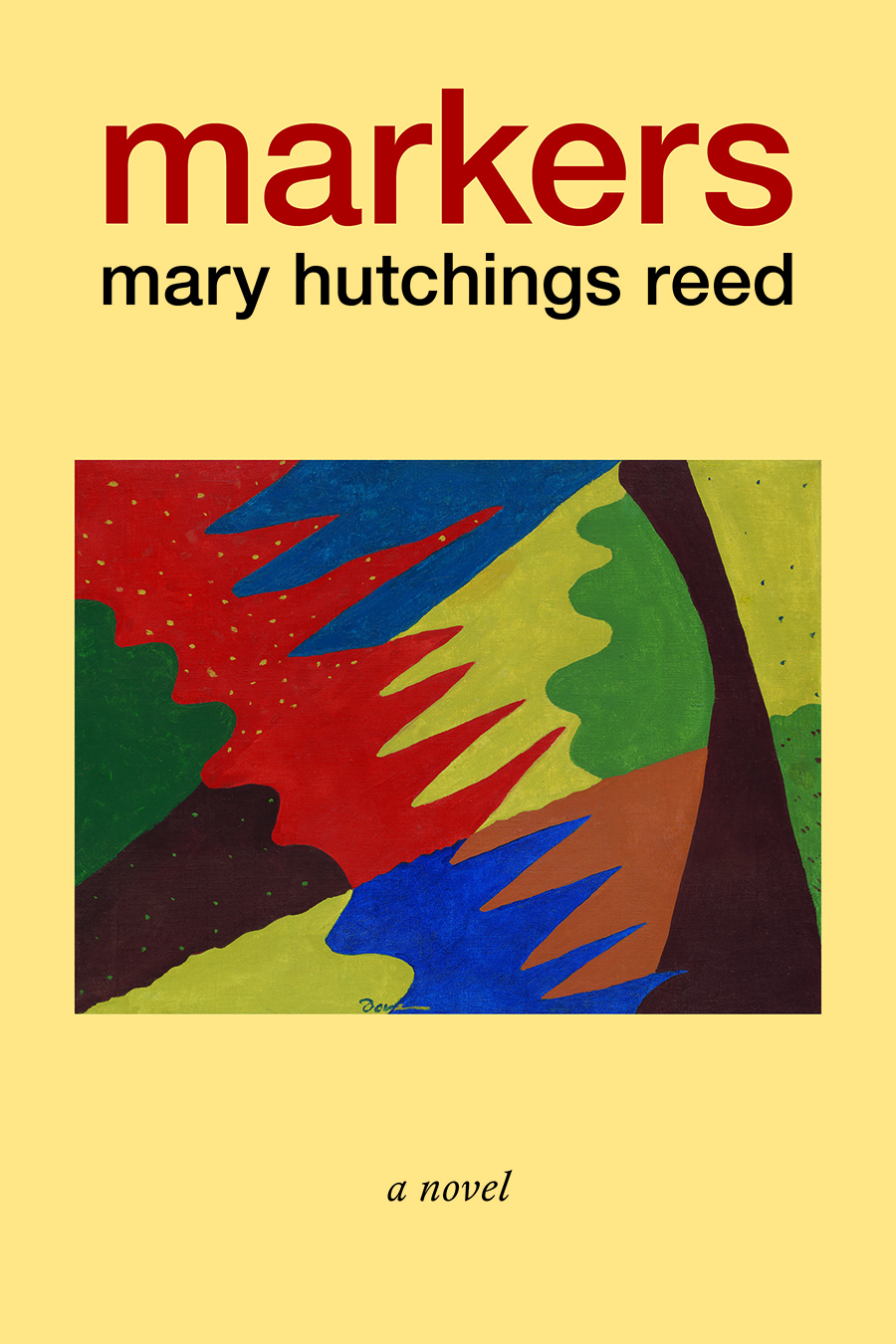
If you had a marker for a fatal disease, would you want to know? Do you think your fiancé has a right to know? If you were the fiancé, would you want to know?
When Angelina Jolie discovered she carried the BRCA gene for breast cancer, her surgical decisions made headlines, not just because of her celebrity status, but also because of the novel health questions raised by genetic testing. If a test reveals a fatal or harmful gene would you want to know? If it’s positive, do you owe your fiancé the information? These are the questions faced by Kayleigh Murphy, the daughter of Townsend, Wisconsin’s most prominent family, a rich, Irish Catholic and well-respected (and envied) clan, and her fiancé, demographics graduate student Gates Blankenship, an orphan who has been shuffled through a number of foster homes. Kayleigh learns of her possible genetic fatal predisposition through a tragic set of circumstances, and thereafter has the advice of her aunts and uncle, one a convert to Judaism, one an ex-nun and one gay, all of whom faced their own testing decisions long ago. Meanwhile, Gates faces the potential loss of his chance to finally “belong.” With the advice of his best friend, Boone, who taught Gates the art of party-crashing, and a fellow graduate student beaten up by his neighbors in one of the Murphy’s apartment buildings when it is discovered he is on the state’s Sex Offender’s Registry, Kayleigh and Gates make a life-altering decision.